A cold evening and a burn ban
Every winter we hear the same story from owners in Torrance. The forecast turns cool, the family plans an evening by the fire, and then a phone alert or the news says wood burning is banned for the day across the basin. The fireplace stays dark. After the third or fourth time in a season, people start asking what their alternatives are.
The bans come from Rule 445, the wood-burning rule of the South Coast AQMD, which covers Los Angeles County along with Orange County and the urban parts of Riverside and San Bernardino counties. Through the cooler months the district watches for still, cold days when fine smoke particles would build up near the ground. On those days it calls a mandatory curtailment, and burning wood indoors or out is not allowed. The district publishes the forecast each day, so you can check it before lighting a fire.
The point of the rule is the air on your own block. On a calm night, wood smoke from a dozen chimneys does not rise and blow away. It hangs over the street and drifts into bedrooms. That is the same smoke people notice in their own living room when an open fireplace spills.
What the rule covers, in plain terms
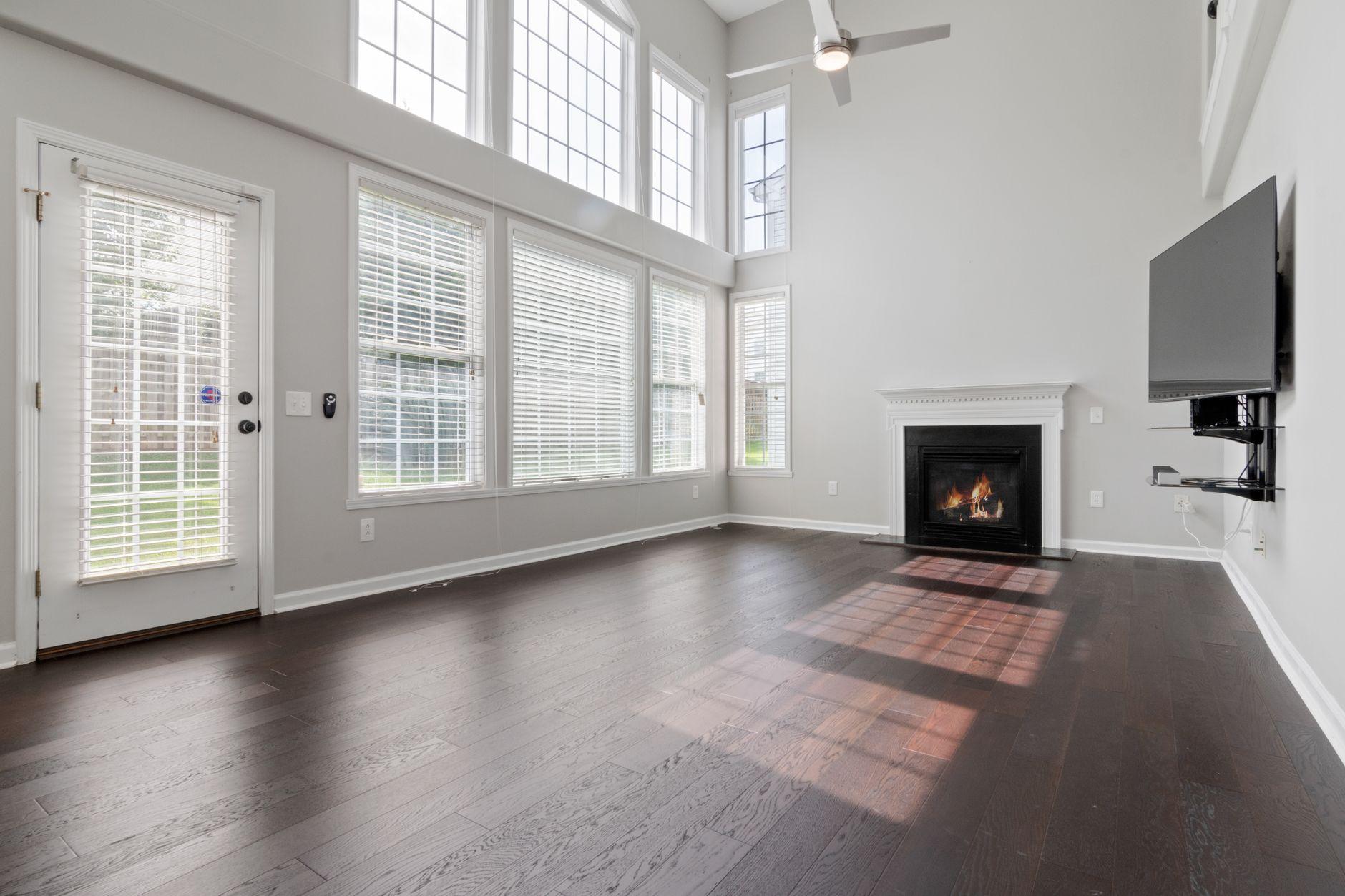
The curtailment is about wood and other solid fuel: logs, manufactured logs, wood in a stove or an open fireplace. Gas fireplaces, gas inserts and gas log sets are not what the district restricts on those days. For an owner who wants a fire on cold evenings without watching the forecast, that is the practical difference.
We are a chimney company, not the district, so for exemptions, the exact rules for your situation and the current season's forecasts, the South Coast AQMD website is the source to trust.
Three ways to keep a fire on a no-burn night
1. A gas log set in the fireplace you have
Ceramic logs and a burner go where the wood used to sit. The flame looks real and there is no smoke, ash or tar. Because the damper has to stay open on a vented set, much of the warmth goes up the chimney, so a log set is about the look of a fire more than heat. It is the smallest change of the three.
We price log sets once we know the size of the firebox and the set you choose. Our gas log page shows the styles we fit.
2. A gas insert
A sealed firebox with a glass front slides into the masonry opening, and its own vent pipes run up inside the old chimney. The fire is behind glass, the heat comes into the room, and no smoke reaches the house or the street. For owners who used the fireplace to take the chill off the house, this is usually the right answer.
Farmer Chimney Sweep fits inserts for $2,650 to $5,300, finished, with the venting included. Repairs to the chimney itself are priced on their own line if the brick or crown needs work.
3. A new gas fireplace somewhere else
Some owners decide the old chimney is not worth the upkeep, or that the fireplace is in a room nobody uses. A sealed gas unit can be framed into another wall and vented straight outside, with no chimney at all. We build these for $4,200 to $8,450. The old chimney can be capped and closed.
Side by side
| Option | Log set | Insert | New gas fireplace |
|---|---|---|---|
| Smoke into the house | None | None | None |
| Heat into the room | Some | Most | Most |
| Uses the old chimney | Yes, damper open | Yes, as a chase for the vent pipes | No |
| Our price | Set after we see the firebox | $2,650 to $5,300 | $4,200 to $8,450 |
What decides the right choice and the price
The choice comes down to how you use the fireplace now and what condition the chimney is in.
If you light a fire for looks on holidays, a log set is plenty. If you sit by it to stay warm, an insert gives you that warmth back. If the chimney needs heavy repair, or the room is wrong, a new unit elsewhere may cost less in the end than fixing the old stack.
The chimney's condition matters for the first two. An insert depends on the old flue as a path for its vents, and a log set depends on the flue to carry its exhaust. Before quoting either, we sweep the flue, from $395, and look at the brick, the crown and the top. If the history of the chimney is unknown, a Level 2 inspection at $370 puts a camera through the whole flue.
Ask for a gas conversion quote and tell us which of the three options you are leaning toward and how often the fireplace gets lit. We will come ready to measure for that one.
If you want to keep burning wood
Plenty of owners still love a wood fire and plan around the burn days. If that is you, the cleaner the fire, the less smoke on the days you can burn. That means dry wood, a fire that burns hot rather than smoldering, a damper that opens fully, and a flue that is swept often enough to draw well. Our chimney sweep page covers that visit, and our wood stove repair page covers stoves that leak smoke into the room.
Around Torrance
The same district rule applies in Lomita, Gardena, Palos Verdes Estates and El Segundo. Houses on the hill and near the beach see the same burn days as houses inland; the forecast is set for the whole basin.
Next step
If you are tired of a dark fireplace on the coldest nights, the contact page is where to start. Tell us what the fireplace burns today and which option interests you, and we will arrange a visit to look at it.
Book a Look at Your Fireplace
Farmer Chimney Sweep serves Torrance and nearby towns. Use the contact page to tell us what burns at your house, and we ring back with a visit time and the work that would cut the smoke.