
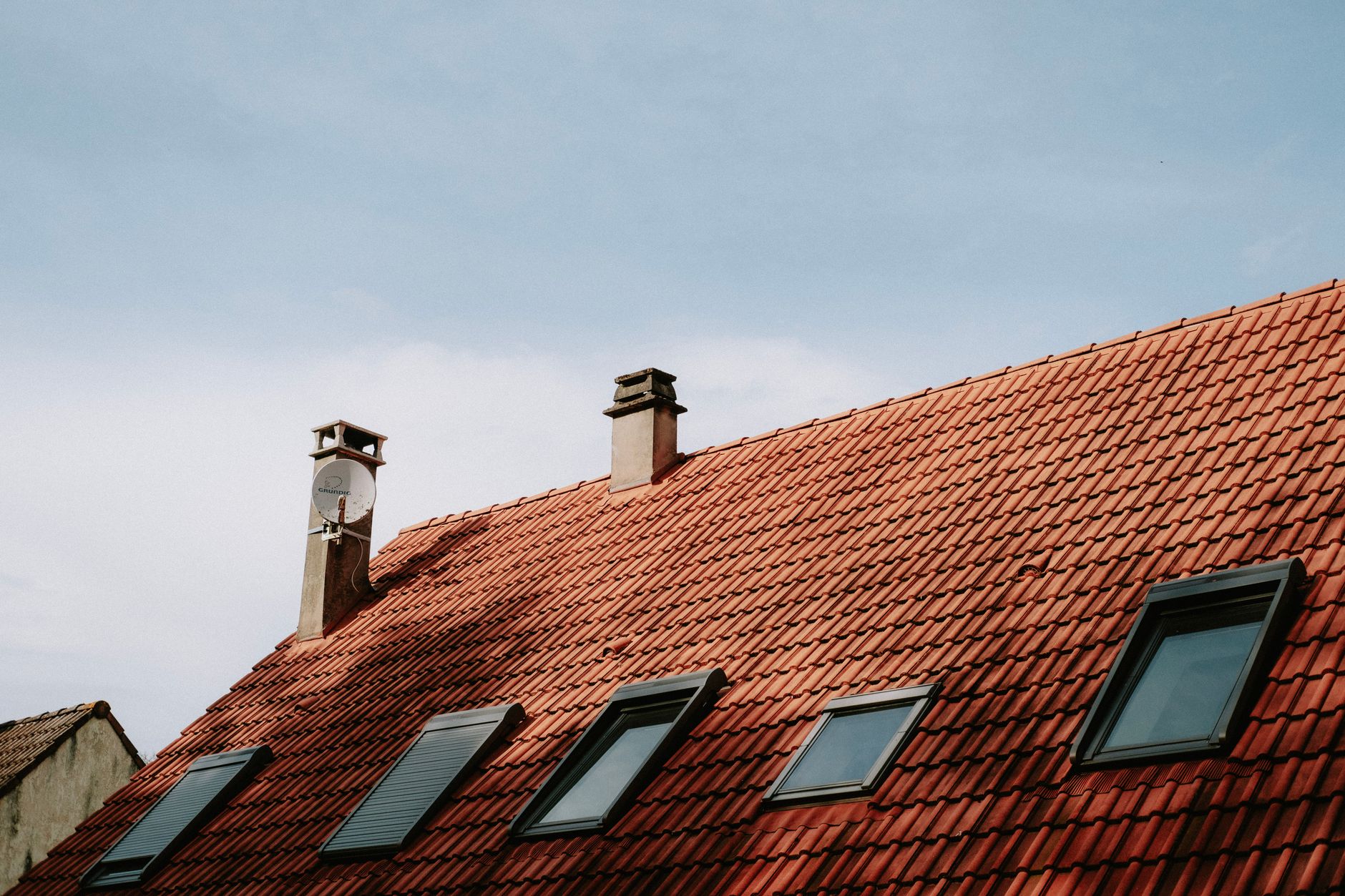
Chimney Liner Installation in Torrance
Ask About This Job
Tell us what you burn and what you notice. We phone back about chimney liner installation and set a visit.
What the Work Involves
Cracked tile, a flue too big for a new insert, or a gas unit venting into bare brick all call for a liner. One of the right diameter keeps exhaust warm and moving, which means a better draft and fewer deposits. We measure the flue and the appliance outlet, pick the diameter and wall weight, and finish where the liner exits with a plate and rain cover. You receive video from both ends of the job.
Why the Flue Has to Fit the Fire
A flue draws properly only when it is the right size for what burns below it. Too big, and the exhaust cools and slows as it rises, dropping tar or moisture on the way and drawing weakly. Too small, and it cannot carry the exhaust away fast enough. Old masonry flues were sized for open fireplaces, which push huge volumes of air up the chimney. Set a modern insert or stove at the bottom of one and its small, hot exhaust stream wanders up a passage several times too wide, cools before it reaches the top and leaves creosote behind. That is why a sealed wood or gas appliance comes with a stainless liner sized to its outlet. The fit is what lets the appliance burn as cleanly as it was designed to, and it is why most of our liner work in Torrance goes in alongside an insert or a stove.
The other common reason is damage. Clay flue tiles crack with age, with the heat of a chimney fire and with quakes, and their joints open as the mortar between them wears away. A cracked flue lets smoke and gases into the gaps around it and lets heat reach wood it should never reach. The camera in a Level 2 inspection is how we find this. Rather than tearing the chimney apart, a stainless liner can be run inside the old flue to give it a new, sealed passage. On the visit we measure the flue, check any bends or offsets, and confirm the brick can carry the work. The written quote names the liner type and size, whether it needs insulation, and what we fit at the bottom and the top to seal and finish it.
Liners for Gas, Wood and Pellet
Different fuels ask different things of a liner. Gas exhaust is cool and wet, and an unlined masonry flue soaks up that moisture and breaks down, which is why a gas insert or gas stove gets its own liner. Wood exhaust is hot and carries creosote, so wood liners use a heavier stainless alloy and are often wrapped in insulation that holds heat in the flue and protects nearby framing. Pellet stoves use a smaller liner with sealed joints, because their exhaust is pushed by a fan. We match the liner to the appliance and the chimney, and the quote explains why that particular liner was picked. A liner meant for one fuel and used for another is among the most common faults we find in older installs around Torrance.
Liner work happens mostly on the roof, with a shorter stretch at the fireplace to make the connection. On a fireplace getting an insert, the old throat damper is often in the liner's way, and the quote says how we will handle it. Afterward, the liner needs the same care as any flue: a yearly sweep for wood and a yearly check for gas. Owners who line a chimney for an insert usually notice the difference the first winter. The fire lights faster, the glass stays cleaner, and there is far less smoke at the top of the chimney on a cold, still evening. That change, for the household and for the street, is the real point of the job. A lined flue also gives an inspector or a buyer a clear answer about the chimney for years to come.
How Farmer Chimney Sweep Works
Floors Protected
Drop cloths and a sealed vacuum before any tool goes in
Cleaner Burning
Notes on wood, draft and habits that cut smoke
Figures on Paper
Each repair listed with its own price
Photos for You
Pictures of what we found and what we did
Towns for Chimney Liner Installation
Pick your town to see how local housing and coastal or inland weather shape this work there.
No town by that spelling. Enter the larger city nearby, or a postal code.
Related Work
Chimney Sweep
Cleaner draft for wood burners: tar and soot cleared from the flue so less smoke drifts into the room or next door.
Read moreChimney Inspection
Draft path, flue, crown and cap looked over to judge whether the chimney can carry smoke up and away cleanly.
Read moreChimney Repair
Brick, mortar, tile and metal put right so smoke leaves through the top and not through gaps in the stack.
Read moreFireplace Inspection
Room-side look at why a fire smolders or spills smoke: firebrick, damper fit, smoke chamber shape and hearth depth.
Read moreFireplace Repair
Firebrick, damper and smoke chamber fixes that help an open fireplace draw cleaner and keep heat off the framing.
Read moreChimney Level 2 Inspection
Recorded video inside the flue plus attic and crawl space checks, for a sale, a new appliance or a change of fuel.
Read moreChimney Cap Installation
Mesh-sided flue tops that hold sparks back, shed rain and keep nesting birds from choking the draft.
Read moreChimney Flashing Repair
Rain stopped where the roof meets the stack, with new metal stepped into the brick instead of a tar patch.
Read moreChimney Masonry Repair
Soft joints, flaking faces and broken brick repaired with mortar suited to the old work so the stack stays tight.
Read moreChimney Rebuilds
Stacks too cracked or loose to patch, taken down and relaid with steel, set tall enough to draw well above the roof.
Read moreFireplace Cleaning
Firebox emptied, smoke staining washed off the face and glass doors cleared, with fine ash kept out of the room air.
Read moreGas Fireplace Cleaning
Burner, ports, logs and glass cleaned so the flame stays blue at its base and the unit runs without an odor.
Read moreGas Fireplace Repair
Pilot, sensor, valve and ignition faults found with a meter, so the fire lights reliably and burns clean.
Read moreFireplace Remodel
New face, hearth and mantel planned around the insert or burner you want, so looks and clean burning arrive together.
Read moreFireplace Inserts
Sealed wood, gas or electric fireboxes for an existing opening that burn cleaner, throw more heat and cut smoke.
Read morePellet Stove Repair
Pellet units that quit mid-burn, soot their glass or drop out on a sensor code, traced through feed, air and vent.
Read moreWood Stove Repair
Door seals, baffles, firebrick and air tubes renewed so a wood stove burns hot and clean without smoke at the door.
Read moreGas Logs
Log sets that give a flame without wood smoke, matched to your opening and run from a valve within easy reach.
Read moreChimney Seismic Retrofit
Older brick stacks tied back to the house or lightened above the roof, cutting the chance of a fall in a strong quake.
Read moreChimney Crown Repair
Chimney tops that crack, hold puddles or crumble, sealed or recast so rain sheds away from the brickwork.
Read moreDryer Vent Cleaning
Lint cleared from the duct between dryer and outside hood so loads dry faster and the machine runs cooler.
Read moreChimney Leak Repair
Damp ceilings and stained walls near the stack followed back to where rain gets in, then fixed at that point.
Read moreChimney Waterproofing
A clear coat that lets brick dry out while shedding rain, applied once joints, top and flashing are made tight.
Read moreChimney Damper Repair
Dampers that stick, rust or leak cold air brought back to a firm open and close, or swapped for a tighter one.
Read moreChimney Chase Cover
Rusting or sagging metal tops on prefab chimney boxes swapped for a made-to-measure stainless top that sheds rain.
Read more