
Chimney Waterproofing in Torrance
Ask About This Job
Tell us what you burn and what you notice. We phone back about chimney waterproofing and set a visit.
What the Work Involves
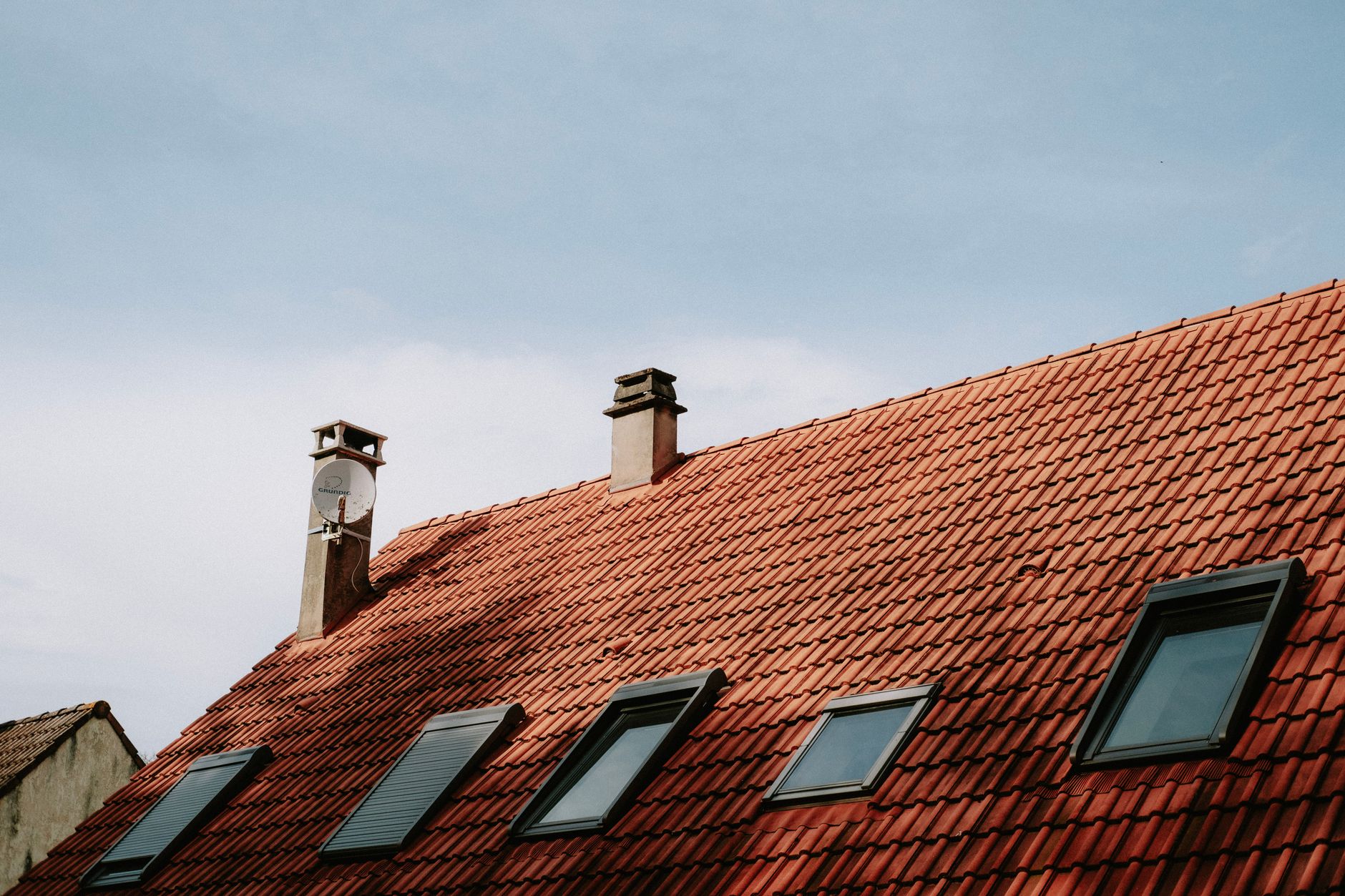
Brick drinks rain, and wet brick near the coast flakes and grows white salt stains. A clear siloxane coat repels rain yet leaves the brick able to breathe. It only helps on a tight chimney, so we check joints, crown and flashing first and fix those. Then the coat goes on from the roof down in dry weather, after the salt stains are washed off.
What a Repellent Does for a Chimney
Brick and mortar drink water. On a stack exposed to winter storms and to the damp marine air that rolls into Torrance most mornings, the masonry above the roof can stay wet for long stretches, and that water slowly breaks down the faces of the brick, softens the joints and carries salts to the surface as white stains. A repellent made for masonry soaks into the surface and changes how the brick handles rain: liquid water runs off rather than being absorbed. The product has to be breathable, because some moisture always reaches a chimney from inside, from combustion and from the house, and it must be able to leave. Sealers that form a skin trap that moisture and make the brick face pop off, which is worse than doing nothing.
Waterproofing is a finishing step. It works on sound brick, and it does nothing for water coming through a cracked crown, failed flashing, open joints or an uncapped flue. So the visit begins with those. Crown, cap, flashing and mortar are all looked at first, and if any of them are letting water in, they go on the quote first. Only when the chimney is tight does the repellent make sense. Then we brush off grime, moss and loose grit, give the brick time to dry out, and coat the exposed masonry with repellent. The written quote shows the treatment and any repairs as separate items, so you can see what each costs and why the order matters for the result. Treating brick that is still letting water through a crack only seals the water in.
Dry Brick and a Better-Drawing Fire
A dry chimney burns cleaner. Wet brick pulls heat out of the flue, so the smoke cools and slows as it rises, the draft takes longer to build when a fire is lit, and more creosote condenses inside. Owners who have had a chimney waterproofed after years of leaks often notice the fireplace lights more easily and smells less on damp days. The effect is greatest on chimneys that face the weather: stacks on the ocean side of the house, chimneys on hilltop homes in Palos Verdes Estates, and older brick that has lost its hard outer face. On a sheltered chimney in good condition, a repellent may not be needed at all, and we say so rather than sell a treatment that adds nothing. The quote names which faces of the stack we would treat and why those ones.
A repellent does not last forever; sun and rain wear it down over the years, and the chimney can be treated again when water starts soaking in. The sign is easy to see from the ground: brick that darkens and stays dark long after a storm has passed. Waterproofing pairs well with masonry repair and crown work, since all three keep water out of the same chimney from different directions. If you are already having repointing done, adding the repellent once the new mortar has cured keeps the whole job working longer, and it can go on the same quote. A dry stack also protects any liner or insert work inside it, which matters if a cleaner-burning upgrade is on your list. Steel liners and insert parts last longer in a chimney that stays dry.
How Farmer Chimney Sweep Works
Floors Protected
Drop cloths and a sealed vacuum before any tool goes in
Cleaner Burning
Notes on wood, draft and habits that cut smoke
Figures on Paper
Each repair listed with its own price
Photos for You
Pictures of what we found and what we did
Towns for Chimney Waterproofing
Pick your town to see how local housing and coastal or inland weather shape this work there.
No town by that spelling. Enter the larger city nearby, or a postal code.
Related Work
Chimney Sweep
Cleaner draft for wood burners: tar and soot cleared from the flue so less smoke drifts into the room or next door.
Read moreChimney Inspection
Draft path, flue, crown and cap looked over to judge whether the chimney can carry smoke up and away cleanly.
Read moreChimney Repair
Brick, mortar, tile and metal put right so smoke leaves through the top and not through gaps in the stack.
Read moreFireplace Inspection
Room-side look at why a fire smolders or spills smoke: firebrick, damper fit, smoke chamber shape and hearth depth.
Read moreFireplace Repair
Firebrick, damper and smoke chamber fixes that help an open fireplace draw cleaner and keep heat off the framing.
Read moreChimney Level 2 Inspection
Recorded video inside the flue plus attic and crawl space checks, for a sale, a new appliance or a change of fuel.
Read moreChimney Cap Installation
Mesh-sided flue tops that hold sparks back, shed rain and keep nesting birds from choking the draft.
Read moreChimney Flashing Repair
Rain stopped where the roof meets the stack, with new metal stepped into the brick instead of a tar patch.
Read moreChimney Masonry Repair
Soft joints, flaking faces and broken brick repaired with mortar suited to the old work so the stack stays tight.
Read moreChimney Rebuilds
Stacks too cracked or loose to patch, taken down and relaid with steel, set tall enough to draw well above the roof.
Read moreFireplace Cleaning
Firebox emptied, smoke staining washed off the face and glass doors cleared, with fine ash kept out of the room air.
Read moreGas Fireplace Cleaning
Burner, ports, logs and glass cleaned so the flame stays blue at its base and the unit runs without an odor.
Read moreGas Fireplace Repair
Pilot, sensor, valve and ignition faults found with a meter, so the fire lights reliably and burns clean.
Read moreFireplace Remodel
New face, hearth and mantel planned around the insert or burner you want, so looks and clean burning arrive together.
Read moreFireplace Inserts
Sealed wood, gas or electric fireboxes for an existing opening that burn cleaner, throw more heat and cut smoke.
Read morePellet Stove Repair
Pellet units that quit mid-burn, soot their glass or drop out on a sensor code, traced through feed, air and vent.
Read moreWood Stove Repair
Door seals, baffles, firebrick and air tubes renewed so a wood stove burns hot and clean without smoke at the door.
Read moreGas Logs
Log sets that give a flame without wood smoke, matched to your opening and run from a valve within easy reach.
Read moreChimney Seismic Retrofit
Older brick stacks tied back to the house or lightened above the roof, cutting the chance of a fall in a strong quake.
Read moreChimney Crown Repair
Chimney tops that crack, hold puddles or crumble, sealed or recast so rain sheds away from the brickwork.
Read moreDryer Vent Cleaning
Lint cleared from the duct between dryer and outside hood so loads dry faster and the machine runs cooler.
Read moreChimney Liner Installation
A smooth steel tube inside an old clay flue, matched to the stove or insert so exhaust rises fast and cools less.
Read moreChimney Leak Repair
Damp ceilings and stained walls near the stack followed back to where rain gets in, then fixed at that point.
Read moreChimney Damper Repair
Dampers that stick, rust or leak cold air brought back to a firm open and close, or swapped for a tighter one.
Read moreChimney Chase Cover
Rusting or sagging metal tops on prefab chimney boxes swapped for a made-to-measure stainless top that sheds rain.
Read more