
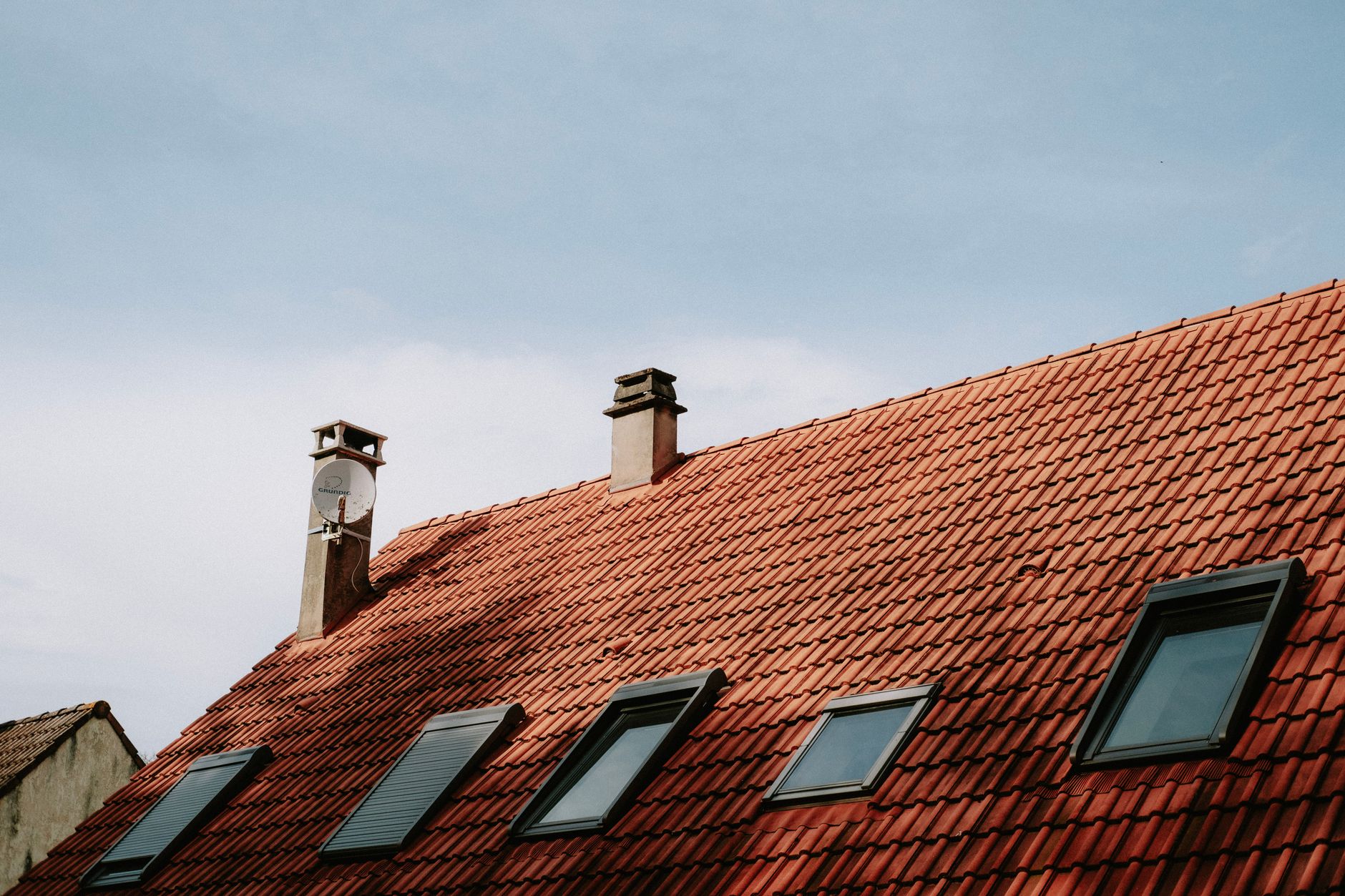
Gas Fireplace Cleaning in Torrance
Ask About This Job
Tell us what you burn and what you notice. We phone back about gas fireplace cleaning and set a visit.
What the Work Involves
Dust, pet hair and lint on a gas burner give a dirty, smelly flame and a gray film on the glass. We shut off the gas, clear the burner ports and pilot hood, brush the logs and return each one to the spot the maker's diagram shows, then polish the glass. The vent end gets a look for nests. We relight the unit and watch the flame before we pack up.
Why a Gas Fire Turns Sooty
Many Torrance owners switched to gas to be done with smoke, and for most of the year that is what they get. A gas flame that is mixed right burns blue at the burner with soft yellow tips and leaves almost nothing behind. The trouble starts when that mix drifts. Dust and lint settle in the burner ports over the summer, spiders nest in the air intake, and logs that were moved for cleaning end up sitting in the flame instead of beside it. The flame turns long, lazy and orange, soot coats the ceramic logs and clouds the front, and a faint smell creeps into the room. None of that is dangerous at first, but it is the start of a gas fire that burns dirty and puts more into the air of your home than it should.
A cleaning brings the fireplace back to the way it left the factory. Nothing is touched until the valve is closed and the metal is cold to the hand. From there the work moves through the burner and its ports, the pilot hood, the air passages and the floor of the firebox, and the logs go back in the spots the maker's diagram calls for, since a log a finger's width out of place can put the flame into it. The front panel is cleared of its film on both faces and we look at the gasket it seats against. Then we light the unit, run the flame on low and on high, and confirm a steady pilot and a clean burner. If something needs repair, such as a weak pilot or a cracked glass panel, we tell you before going further and give you a written price. You decide whether it is done that day or later.
Vented Gas Units and the Chimney Above
Many gas fireplaces in the South Bay are log sets in an old masonry firebox, venting up the original chimney. Those still need the chimney checked. Gas combustion makes water vapor, and over time that moisture mixes with old soot and loosens it, or eats at mortar in the flue. A bird's nest or a fallen tile can block the flue entirely, and with a gas fire there is little visible smoke to warn you. We look up the flue during the cleaning and note if it needs a sweep or a closer look. On direct-vent units with sealed glass fronts, we check the vent cap outside for nests and debris, since a blocked cap can make the flame dance or shut the unit down. Coastal salt can also corrode that cap, and a corroded one is worth replacing before it fails.
A yearly cleaning is a good habit for a gas unit that runs through the winter, and it is a cheap way to catch the small faults that grow into repairs. A pilot that has started to flicker, a thermocouple that is wearing out, or a burner with a few blocked ports are all easier and cheaper to deal with in October than on the first cold night of December. It is also worth booking before a sale, after a remodel that left dust in the room, or after moving into a home where nobody knows when the fireplace was last serviced. Gas units are not covered by winter no-burn alerts, so for many Torrance households the gas fireplace is the one that gets used on the coldest, stillest nights, which is when a clean, well-tuned flame matters most for the air inside the house.
How Farmer Chimney Sweep Works
Floors Protected
Drop cloths and a sealed vacuum before any tool goes in
Cleaner Burning
Notes on wood, draft and habits that cut smoke
Figures on Paper
Each repair listed with its own price
Photos for You
Pictures of what we found and what we did
Towns for Gas Fireplace Cleaning
Pick your town to see how local housing and coastal or inland weather shape this work there.
CA
Gas Fireplace Cleaning in Torrance
Of all homes here, 82% were built before 1980, and postwar tracts filled most of the city. An old open firebox puts much of its smoke into the room and the street, and a sealed insert or cleaner stove keeps that air clearer for the whole block.
See this townCA
Gas Fireplace Cleaning in Lomita
Just 46% of households own their home, and many neighbors live in apartments and condos close together. Smoke from one fireplace reaches a lot of windows here, so we look at how the firebox burns and whether a gas or sealed insert would suit it.
See this townCA
Gas Fireplace Cleaning in Gardena
Plenty of these postwar brick and block flues were converted to gas logs along the way. We confirm each still lifts combustion gases clear of the house, since a gas fire in a tired wood flue can spill fumes indoors.
See this townCA
Gas Fireplace Cleaning in Palos Verdes Estates
Frank Vanderlip's peninsula project, drawn up by the Olmsted firm, today stands 92% detached and 90% owner-held. Some hillside roofs are awkward to reach, so ladders and footing get planned before a sweep or insert install.
See this townCA
Gas Fireplace Cleaning in El Segundo
Detached houses are just 38% of homes; a big share of the rest are condos and apartments. With quarters that close, a smoky wood fire reaches neighbors quickly, so a sealed insert or gas conversion is worth weighing.
See this townRelated Work
Chimney Sweep
Cleaner draft for wood burners: tar and soot cleared from the flue so less smoke drifts into the room or next door.
Read moreChimney Inspection
Draft path, flue, crown and cap looked over to judge whether the chimney can carry smoke up and away cleanly.
Read moreChimney Repair
Brick, mortar, tile and metal put right so smoke leaves through the top and not through gaps in the stack.
Read moreFireplace Inspection
Room-side look at why a fire smolders or spills smoke: firebrick, damper fit, smoke chamber shape and hearth depth.
Read moreFireplace Repair
Firebrick, damper and smoke chamber fixes that help an open fireplace draw cleaner and keep heat off the framing.
Read moreChimney Level 2 Inspection
Recorded video inside the flue plus attic and crawl space checks, for a sale, a new appliance or a change of fuel.
Read moreChimney Cap Installation
Mesh-sided flue tops that hold sparks back, shed rain and keep nesting birds from choking the draft.
Read moreChimney Flashing Repair
Rain stopped where the roof meets the stack, with new metal stepped into the brick instead of a tar patch.
Read moreChimney Masonry Repair
Soft joints, flaking faces and broken brick repaired with mortar suited to the old work so the stack stays tight.
Read moreChimney Rebuilds
Stacks too cracked or loose to patch, taken down and relaid with steel, set tall enough to draw well above the roof.
Read moreFireplace Cleaning
Firebox emptied, smoke staining washed off the face and glass doors cleared, with fine ash kept out of the room air.
Read moreGas Fireplace Repair
Pilot, sensor, valve and ignition faults found with a meter, so the fire lights reliably and burns clean.
Read moreFireplace Remodel
New face, hearth and mantel planned around the insert or burner you want, so looks and clean burning arrive together.
Read moreFireplace Inserts
Sealed wood, gas or electric fireboxes for an existing opening that burn cleaner, throw more heat and cut smoke.
Read morePellet Stove Repair
Pellet units that quit mid-burn, soot their glass or drop out on a sensor code, traced through feed, air and vent.
Read moreWood Stove Repair
Door seals, baffles, firebrick and air tubes renewed so a wood stove burns hot and clean without smoke at the door.
Read moreGas Logs
Log sets that give a flame without wood smoke, matched to your opening and run from a valve within easy reach.
Read moreChimney Seismic Retrofit
Older brick stacks tied back to the house or lightened above the roof, cutting the chance of a fall in a strong quake.
Read moreChimney Crown Repair
Chimney tops that crack, hold puddles or crumble, sealed or recast so rain sheds away from the brickwork.
Read moreDryer Vent Cleaning
Lint cleared from the duct between dryer and outside hood so loads dry faster and the machine runs cooler.
Read moreChimney Liner Installation
A smooth steel tube inside an old clay flue, matched to the stove or insert so exhaust rises fast and cools less.
Read moreChimney Leak Repair
Damp ceilings and stained walls near the stack followed back to where rain gets in, then fixed at that point.
Read moreChimney Waterproofing
A clear coat that lets brick dry out while shedding rain, applied once joints, top and flashing are made tight.
Read moreChimney Damper Repair
Dampers that stick, rust or leak cold air brought back to a firm open and close, or swapped for a tighter one.
Read moreChimney Chase Cover
Rusting or sagging metal tops on prefab chimney boxes swapped for a made-to-measure stainless top that sheds rain.
Read more