
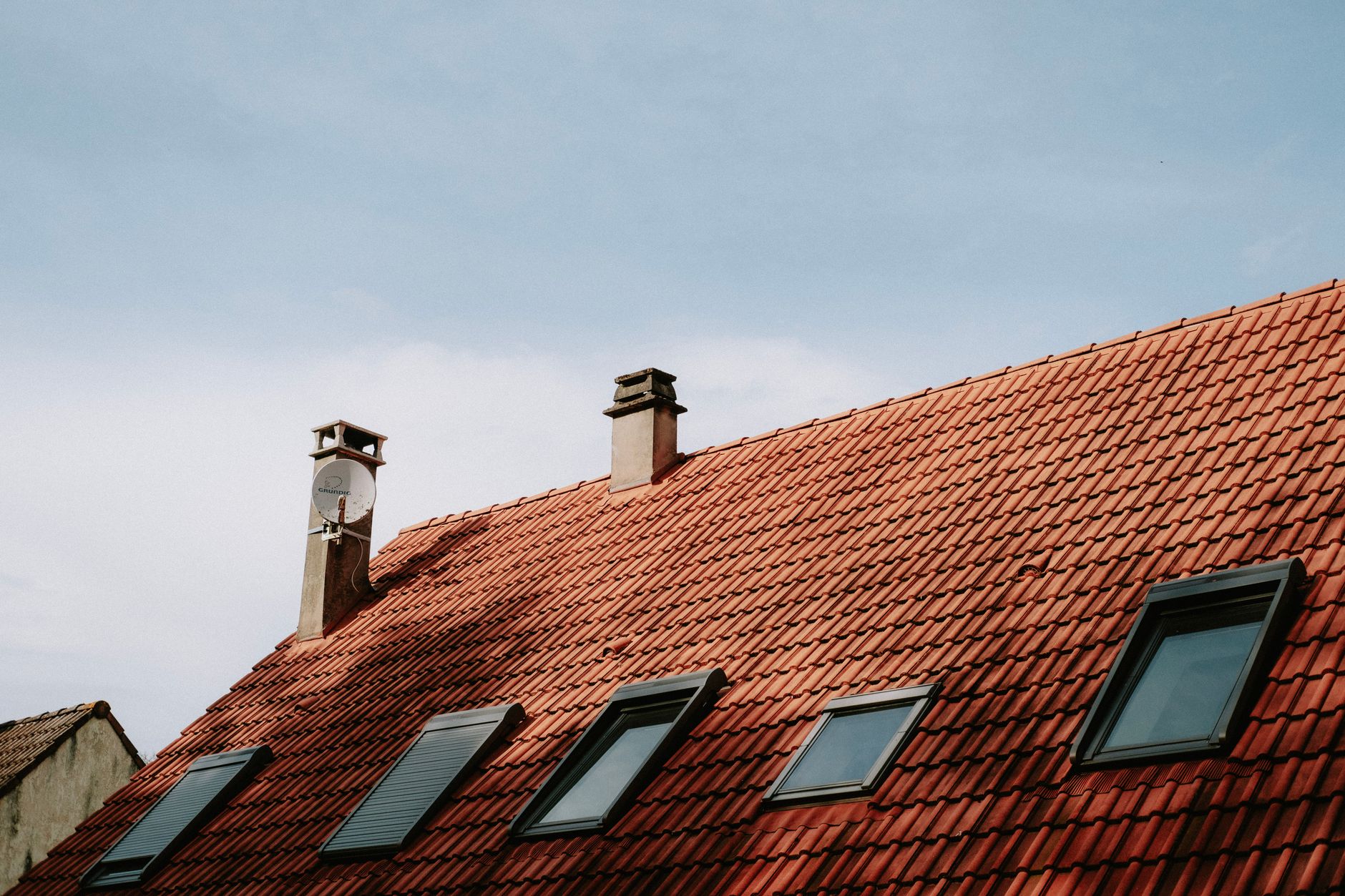
Chimney Rebuilds in Torrance
Ask About This Job
Tell us what you burn and what you notice. We phone back about chimney rebuilds and set a visit.
What the Work Involves
When cracks run through several courses or bricks lift by hand, patching only delays the inevitable. We lower the stack to the course where the mortar still holds, relay it with vertical steel and ties to the framing, and set its height so smoke clears the roof and the windows next door. A new liner and cap usually go in at the same time. We file the permit and book the city inspections.
Signs a Stack Has Gone Past Repair
Some chimneys reach a point where new mortar in old joints would only hide the problem for a season or two. The signs are usually visible: bricks that rock when pushed, mortar that crumbles to dust at a touch, a stack that tilts away from the line of the house, or a crack that runs clean through several courses at the roof. In the South Bay, many of these stacks took their first damage in the 1987 or 1994 quakes and have weathered since. A chimney in that state is a risk to the roof and anyone below it, and it rarely burns well, since open joints let air leak in and cool the draft. Our visit sets out how deep the damage runs, which courses have to come off and which can stay, and whether the flue tile inside is worth keeping.
Few rebuilds start from the ground. Usually the trouble sits in the part of the stack that takes the weather, so we lift the loose brick off by hand until the work below is firmly bedded, then lay new courses from there, choosing brick that sits well next to the old and a mortar that suits the masonry underneath. Depending on what you want, the stack can be rebuilt to its old height, or taken lower and finished with a lighter top. Either way, the top is finished with a fresh crown that overhangs the brick, a cap, and new flashing at the roofline. The written quote marks the depth we plan to reach and the brick, flue and crown we will use. It also explains, in advance, what we would do and charge if the masonry proves worse once it is opened, so the figure you agree to is the figure you pay unless you sign off on a change.
Rebuilding With the Fire You Want Next
A rebuild is also a chance to rethink how the fireplace will be used. If you plan to keep burning wood in an open fireplace, the new stack is built around a tile or steel flue sized to that opening. If you are moving to an insert or a gas unit, the flue can be built or lined for that appliance from the start, which avoids opening the chimney a second time. Owners in Torrance who are tired of smoky winter evenings often choose this moment to switch to an insert, so the stack and the new unit are planned as one job. We lay out what each choice means for the rebuild and the cost, and leave the decision with you. An insert planned into a rebuild costs less than one fitted after, because the flue only has to be built once.
Some owners choose not to rebuild the upper chimney at all. If the fireplace has gone cold for good, there is the option of removing the brick that stands above the attic altogether, then patching the roof where it stood. That gets rid of the heaviest part of the stack and the most common leak path in a single job. If you want a fireplace but not the masonry, a gas unit with its own vent may replace the old system entirely. We tell you the trade-offs in plain terms, including what each option means for resale and for the look of the house from the street. The written quote prices each path you are considering, so you can compare them side by side before committing to any one of them. Whatever you pick, the old brick leaves the site with us.
How Farmer Chimney Sweep Works
Floors Protected
Drop cloths and a sealed vacuum before any tool goes in
Cleaner Burning
Notes on wood, draft and habits that cut smoke
Figures on Paper
Each repair listed with its own price
Photos for You
Pictures of what we found and what we did
Towns for Chimney Rebuilds
Pick your town to see how local housing and coastal or inland weather shape this work there.
CA
Chimney Rebuilds in Torrance
Of all homes here, 82% were built before 1980, and postwar tracts filled most of the city. An old open firebox puts much of its smoke into the room and the street, and a sealed insert or cleaner stove keeps that air clearer for the whole block.
See this townCA
Chimney Rebuilds in Lomita
Just 46% of households own their home, and many neighbors live in apartments and condos close together. Smoke from one fireplace reaches a lot of windows here, so we look at how the firebox burns and whether a gas or sealed insert would suit it.
See this townCA
Chimney Rebuilds in Gardena
Plenty of these postwar brick and block flues were converted to gas logs along the way. We confirm each still lifts combustion gases clear of the house, since a gas fire in a tired wood flue can spill fumes indoors.
See this townCA
Chimney Rebuilds in Palos Verdes Estates
Frank Vanderlip's peninsula project, drawn up by the Olmsted firm, today stands 92% detached and 90% owner-held. Some hillside roofs are awkward to reach, so ladders and footing get planned before a sweep or insert install.
See this townCA
Chimney Rebuilds in El Segundo
Detached houses are just 38% of homes; a big share of the rest are condos and apartments. With quarters that close, a smoky wood fire reaches neighbors quickly, so a sealed insert or gas conversion is worth weighing.
See this townRelated Work
Chimney Sweep
Cleaner draft for wood burners: tar and soot cleared from the flue so less smoke drifts into the room or next door.
Read moreChimney Inspection
Draft path, flue, crown and cap looked over to judge whether the chimney can carry smoke up and away cleanly.
Read moreChimney Repair
Brick, mortar, tile and metal put right so smoke leaves through the top and not through gaps in the stack.
Read moreFireplace Inspection
Room-side look at why a fire smolders or spills smoke: firebrick, damper fit, smoke chamber shape and hearth depth.
Read moreFireplace Repair
Firebrick, damper and smoke chamber fixes that help an open fireplace draw cleaner and keep heat off the framing.
Read moreChimney Level 2 Inspection
Recorded video inside the flue plus attic and crawl space checks, for a sale, a new appliance or a change of fuel.
Read moreChimney Cap Installation
Mesh-sided flue tops that hold sparks back, shed rain and keep nesting birds from choking the draft.
Read moreChimney Flashing Repair
Rain stopped where the roof meets the stack, with new metal stepped into the brick instead of a tar patch.
Read moreChimney Masonry Repair
Soft joints, flaking faces and broken brick repaired with mortar suited to the old work so the stack stays tight.
Read moreFireplace Cleaning
Firebox emptied, smoke staining washed off the face and glass doors cleared, with fine ash kept out of the room air.
Read moreGas Fireplace Cleaning
Burner, ports, logs and glass cleaned so the flame stays blue at its base and the unit runs without an odor.
Read moreGas Fireplace Repair
Pilot, sensor, valve and ignition faults found with a meter, so the fire lights reliably and burns clean.
Read moreFireplace Remodel
New face, hearth and mantel planned around the insert or burner you want, so looks and clean burning arrive together.
Read moreFireplace Inserts
Sealed wood, gas or electric fireboxes for an existing opening that burn cleaner, throw more heat and cut smoke.
Read morePellet Stove Repair
Pellet units that quit mid-burn, soot their glass or drop out on a sensor code, traced through feed, air and vent.
Read moreWood Stove Repair
Door seals, baffles, firebrick and air tubes renewed so a wood stove burns hot and clean without smoke at the door.
Read moreGas Logs
Log sets that give a flame without wood smoke, matched to your opening and run from a valve within easy reach.
Read moreChimney Seismic Retrofit
Older brick stacks tied back to the house or lightened above the roof, cutting the chance of a fall in a strong quake.
Read moreChimney Crown Repair
Chimney tops that crack, hold puddles or crumble, sealed or recast so rain sheds away from the brickwork.
Read moreDryer Vent Cleaning
Lint cleared from the duct between dryer and outside hood so loads dry faster and the machine runs cooler.
Read moreChimney Liner Installation
A smooth steel tube inside an old clay flue, matched to the stove or insert so exhaust rises fast and cools less.
Read moreChimney Leak Repair
Damp ceilings and stained walls near the stack followed back to where rain gets in, then fixed at that point.
Read moreChimney Waterproofing
A clear coat that lets brick dry out while shedding rain, applied once joints, top and flashing are made tight.
Read moreChimney Damper Repair
Dampers that stick, rust or leak cold air brought back to a firm open and close, or swapped for a tighter one.
Read moreChimney Chase Cover
Rusting or sagging metal tops on prefab chimney boxes swapped for a made-to-measure stainless top that sheds rain.
Read more